
Introduction
Trading Psychology shaped my journey when I first started trading. I was an emotional trader, spending entire days staring at price charts and reacting to every market movement. Naturally, I suffered from FOMO (fear of missing out) and lost a significant portion of my capital multiple times.
If you’re also managing a tight budget while learning trading, check out 10 Smart Ways to Save Money on a Low Income to stretch your resources effectively.
However, over time, I learned essential discipline and emotional control strategies, which transformed me into a successful trader. Today, I execute only one to ten trades per month, yet my portfolio remains consistently profitable.
The biggest lesson I’ve learned is this: you don’t trade just to stay active; you trade when a real opportunity presents itself. Taking every trade without strategy will inevitably lead to losses.
In this guide, I’ll walk you through how to master trading psychology, control your emotions, and achieve consistent trading success.
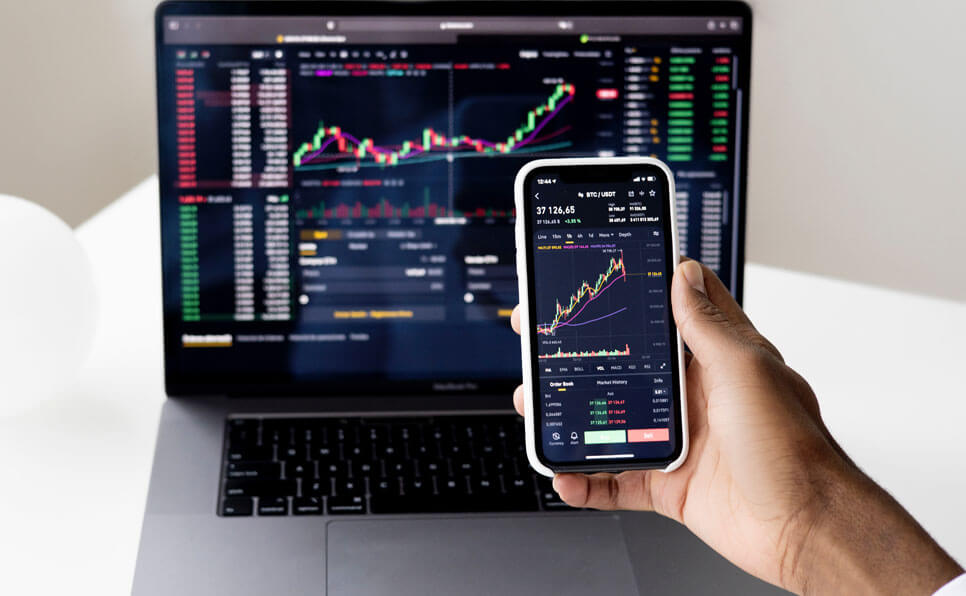
What Is Trading Psychology and Why It Matters
Trading psychology refers to your mental and emotional state when making trading decisions. While charts and strategies account for only 20% of success, the remaining 80% depends entirely on your mindset.
My Personal Experience
Initially, I believed that technical indicators alone would make me profitable. However, reality showed me that the market is driven by human emotions fear and greed fuel its movements.
After every loss, I reviewed my decisions and identified emotional mistakes. Gradually, I developed a strong trading mindset, learning that patience and the ability to recognize opportunities are the keys to long-term profitability.
Emotions That Destroy Profits Understanding a Trader’s Mind
The market is not your biggest enemy your own mind is. Common emotions that silently destroy profits include:
Fear:
Fear of loss often causes premature exits before stop-loss triggers. Traders panic-sell and later regret their decisions. From my experience, controlling fear helped me maintain a consistently profitable portfolio.
Greed:
Chasing larger profits after small wins leads to overtrading and unnecessary risk. Lesson learned: selective trading ensures portfolio stability and long-term growth.
Overconfidence:
Believing “I’ve mastered the market” after a few wins can lead to disaster.
Impatience & Revenge Trading:
Trying to recover losses quickly or seeking instant profit drives impulsive decisions.
Paralysis After Loss:
A significant loss can crush confidence, making it difficult to take the next trade.
Key takeaway: recognizing and controlling these emotions is the first step to mastering trading psychology.
Money mindset or habits
Prioritizing process over immediate profits has kept my portfolio green. Developing disciplined money habits is key, just like our post on Money Habits to Get Rich highlights.
Building a Strong Trading Psychology Mindset Step-by-Step System
Step 1: Accept Uncertainty
The market is inherently unpredictable. Losses and gains are part of trading. By accepting this reality, you take the first step toward emotional freedom.
Step 2: Create a Pre-Trading Ritual
Practice deep breathing and mindfulness before trading. Additionally, visualize your ideal trading day with calmness and focus.
Step 3: Keep a Trading Journal
Document every trade, including rationale and outcome. Identify patterns and track emotional mistakes. Tip from my own journey: I review each trade to continuously learn and improve.
Step 4: Focus on Process, Not Profit
Profit is a result; process is within your control. Long-term success comes from consistency and discipline. Personally, prioritizing process over immediate profits has kept my portfolio green. If you’re a beginner exploring trading safely, our guide on Online Trading Platforms for Beginners can help you get started without risking too much.
Step 5: Train Discipline Like a Muscle
Small daily victories build a resilient mindset. Learn to turn boredom into focus and patience into strength.
Seven Trading Psychology Rules of a Consistent Trader
- Trade with logic, not emotion.
- Never chase the market.
- Protect your capital like your life.
- Detach from outcomes.
- Review, don’t regret.
- Be patient markets always offer second chances.
- Win the mental game before the market opens.
These rules aren’t just theoretical; they are meant to be lived. Following them strengthens your trading psychology and improves decision-making.
How to Control Emotions in Trading Practical Exercises
- Breathing & Mindfulness: Take three deep breaths before trading to calm your mind.
- Visualization: Imagine your ideal trading day with composure and clarity.
- Emotional Checklist: Rate your mood on a 1–10 scale; avoid trading if below 6.
- Journaling & Affirmations: Write “I trade with discipline and patience” daily to reprogram your subconscious.
- Detach from Results Challenge: Focus solely on the process for five days, ignoring profit or loss.
Mastering Discipline & Patience Trading Psychology : The Art of Doing Nothing
Professional traders know when not to trade. They turn boredom into focus and practice delayed gratification.
Real-world example: I trade only a few high-quality setups per month, resulting in consistent profits. Sometimes, doing nothing is the most powerful trading action.
The Best Books & Resources to Master Trading Psychology
- Trading in the Zone Mark Douglas: Emotional control and mindset discipline.
- The Daily Trading Coach Brett Steenbarger: Practical exercises and self-coaching.
- The Disciplined Trader Mark Douglas: Regaining focus and maintaining discipline.
- Mindset: The New Psychology of Success Carol Dweck: Developing a growth mindset applicable to trading and life.
Reading these books is an investment, not an expense, for any trader.
Common Questions About Trading Psychology (FAQ)
Q: How can I control greed while trading?
A: Set fixed targets and adhere to your plan.
Q: Why do I panic when markets move fast?
A: Your brain perceives uncertainty as a threat. Calm training helps control this response.
Q: Is psychology more important than strategy?
A: Yes. Even the best strategies fail without a strong trading mindset.
Q: Can meditation improve trading performance?
A: Absolutely. Mindfulness reduces emotional reactivity and improves focus.
Final Words for Trading Psychology Master the Mind, and the Market Will Follow
Trading charts are available to everyone, but mental control is rare. Remember: the market mirrors your emotions—stay calm and disciplined, and it will reward you.
Controlling your emotions means you’ve already won half the battle in the market.
Founder insight: Trade not to be active, but when opportunity is evident. Mindless trading leads only to losses.
Tadonomics Rule: “Master your mind and profit will follow naturally.”